
Mastering Your Short Game: Key Insights for Consistent Performance on the Greens
If there’s one part of golf that can make or break your score, it’s the short game. Chipping, pitching, and shots around the green are where many strokes are saved or lost. Yet, these shots often confuse golfers more than any other aspect of the game. Many players spend hours searching for quick tips online or trying to mimic techniques from videos, only to end up more frustrated and inconsistent.
The truth is short game struggles rarely come from a single cause. What looks like a poor strike or inconsistent distance usually results from a combination of setup issues, grip pressure, rhythm, and the relationship between swing length and tempo. Without personalized feedback, advice from the internet becomes guesswork.
This post breaks down the key factors that affect your short game and explains how a structured approach can help you build a reliable, repeatable motion. Whether you’re a beginner or an experienced player, understanding these insights will help you save strokes and enjoy the game more.
Why the Short Game Is So Challenging
The short game requires precision and control. Unlike full swings, where power and distance dominate, shots around the green demand finesse. The margin for error is small, and even minor flaws in setup or swing can cause big problems.
Common challenges include:
Inconsistent contact: Thin or fat shots happen when the clubface doesn’t strike the ball cleanly.
Poor distance control: Shots that come up short or fly too far.
Lack of feel: Difficulty judging how hard to hit the ball.
Unpredictable ball flight: Shots that don’t behave as expected.
These issues often stem from subtle faults that are hard to spot without expert guidance.
The Importance of Setup in Short Game Success
Small changes in setup can have a big impact on your short game. Key elements to focus on include:
Ball position: Placing the ball too far forward or back affects strike quality.
Weight distribution: Shifting your weight properly helps maintain balance and control.
Handle position: Where your hands sit on the club influences the clubface angle at impact.
For example, placing the ball slightly back in your stance encourages a descending strike, which helps avoid fat shots. Keeping your weight slightly forward promotes crisp contact and better control.
Grip Pressure and Its Effect on Feel and Control
Many golfers hold the club too tightly when chipping or pitching. This tension reduces feel and makes it harder to control the clubhead. On the other hand, holding the club too loosely can cause the club to twist or move unpredictably.
A good rule of thumb is to maintain a grip pressure that feels firm but relaxed—imagine holding a tube of toothpaste without squeezing any out. This balance allows you to feel the clubhead while maintaining control through impact.
Rhythm, Tempo, and Swing Length: Building Consistency
One of the most common faults in the short game is inconsistency in swing length and tempo. Many players accelerate or decelerate unintentionally, which leads to poor distance control and erratic ball striking.
To improve:
Keep a smooth rhythm: Avoid rushing the backswing or follow-through.
Match swing length to the shot: Use a shorter backswing for delicate chips and a longer one for longer pitches.
Maintain consistent tempo: Practice swinging at the same speed to build muscle memory.
For example, a rushed backswing often results in thin shots, while an overly long swing can cause fat contact. Finding a comfortable, repeatable rhythm is key.

Proper setup for a chip shot near the green
Why Personalized Coaching Makes a Difference
Generic tips can only take you so far. Without seeing your actual swing, it’s hard to identify the root causes of your misses. That’s why structured coaching is so valuable.
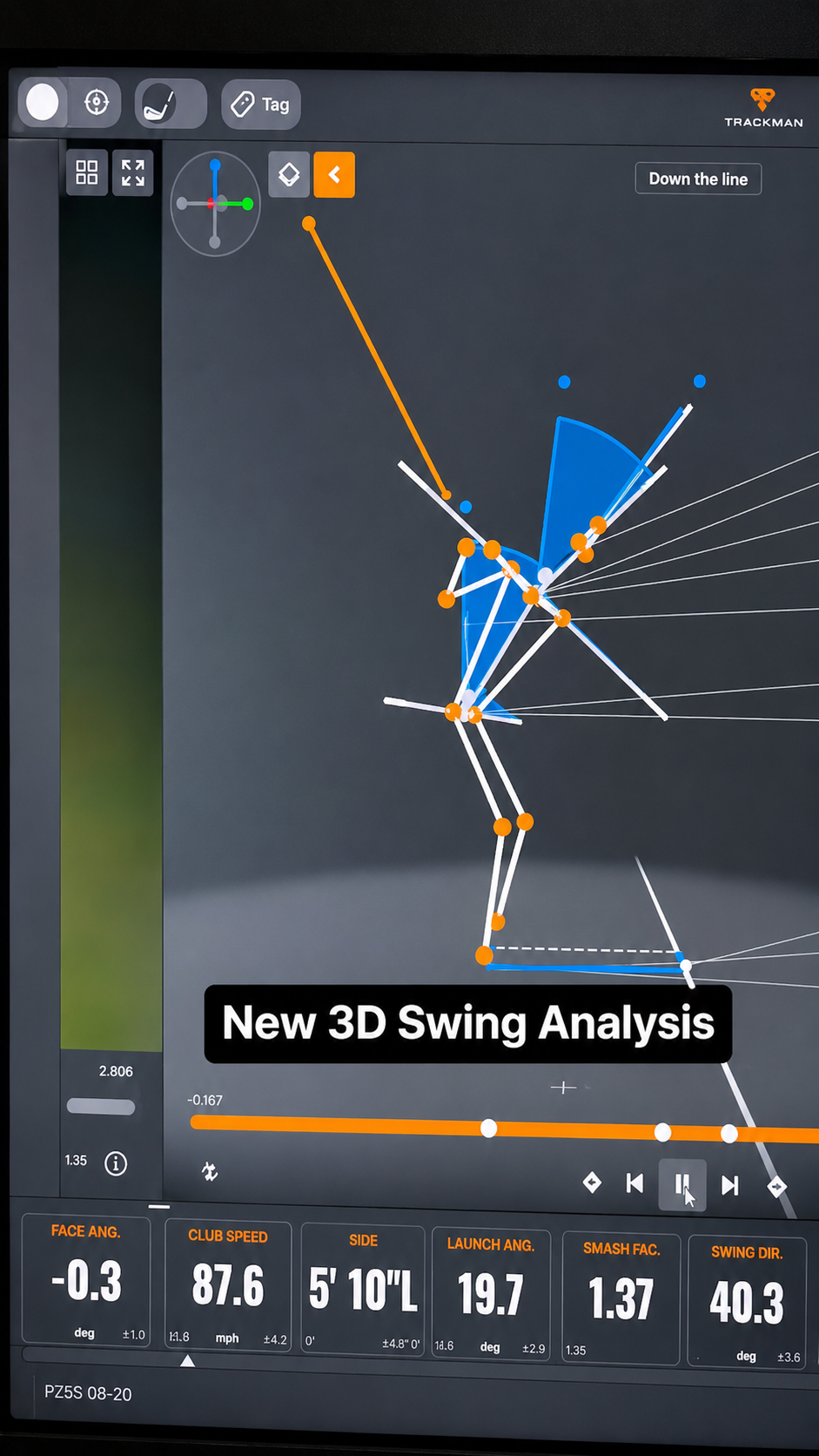
At My Golf Matters, every short game lesson begins with a detailed assessment. Using high-speed video and data analysis, coaches examine:
How you set up to the ball
The club’s path during the swing
How your body and arms move together
This process uncovers subtle faults that most golfers miss, such as slight changes in grip pressure or weight shift. Coaches then provide clear, personalized feedback to help you understand both the problem and the solution.
Practical Tips to Start Improving Today
While personalized coaching is ideal, here are some practical steps you can take right now:
Record your short game shots: Use your phone to capture your setup and swing. Look for inconsistencies in ball position and swing length.
Focus on grip pressure: Practice holding the club with a relaxed but firm grip.
Work on rhythm: Use a metronome app or count in your head to keep a steady tempo.
Experiment with ball position: Try moving the ball slightly back in your stance for chips.
Practice distance control drills: Hit shots to targets at varying distances to develop feel.
Building a Repeatable Short Game Motion
The goal is to create a motion that fits your natural movement and feels comfortable. This requires:
Identifying your unique swing tendencies
Adjusting setup and grip accordingly
Practicing with focus on rhythm and tempo
Receiving feedback to refine your technique
Most golfers find that once they address the root causes of their misses, their short game improves quickly and dramatically.


Comments