
Why YouTube Golf Tips Often Make Your Swing Worse!

YouTube has transformed how golfers learn. At any moment, you can search for a fix to a slice, a drill for more distance, or a tip to stop hitting the ground before the ball, and you’ll be met with thousands of videos from coaches and players all over the world. Many of them are excellent. Some are world-class coaches. Some are elite players. The information itself is often very good. The problem is not that YouTube golf tips are bad. The problem is assuming that even good information automatically applies to you.
Every golf swing is different. Every golfer brings their own movement patterns, physical limitations, habits, compensations, and tendencies to the ball. What looks like the same miss on the surface can be caused by completely different things underneath. This is where YouTube tips, no matter how well intentioned, often begin to do more harm than good.
One of the most common traps golfers fall into is self-diagnosis. You hit a slice, watch your swing back on your phone, and decide you must be coming over the top. You search for “fix over the top golf swing” and find a drill that promises instant results. You apply it religiously for a week. The slice changes, but now contact feels worse, distance drops, or a new miss appears that you’ve never had before.
What’s happened isn’t bad luck. It’s misdiagnosis. Ball flight laws tell us that the clubface and club path at impact determine where the ball goes. The same slice can be caused by an open clubface, a path that’s too far left, poor strike location, an attack angle issue, or a combination of all of them. Without knowing which one is actually responsible, applying a random fix is essentially guesswork. Sometimes you get lucky. Often you don’t.
Another issue with YouTube instruction is context. Many tips are designed to exaggerate a feeling for a specific type of golfer. They’re not meant to be taken literally or applied universally. A drill that helps a tour-level player neutralise a pattern might be disastrous for an amateur whose swing already does the opposite. Without knowing the context behind the advice, it’s very easy to apply the right idea in the wrong way.
We regularly see golfers who have layered multiple fixes on top of each other over months or even years. One grip change from one video, a backswing thought from another, a release drill from somewhere else. Each change made sense in isolation, but together they create a swing full of compensations. The golfer no longer trusts what they’re doing, contact becomes inconsistent, and confidence disappears, especially on the course.
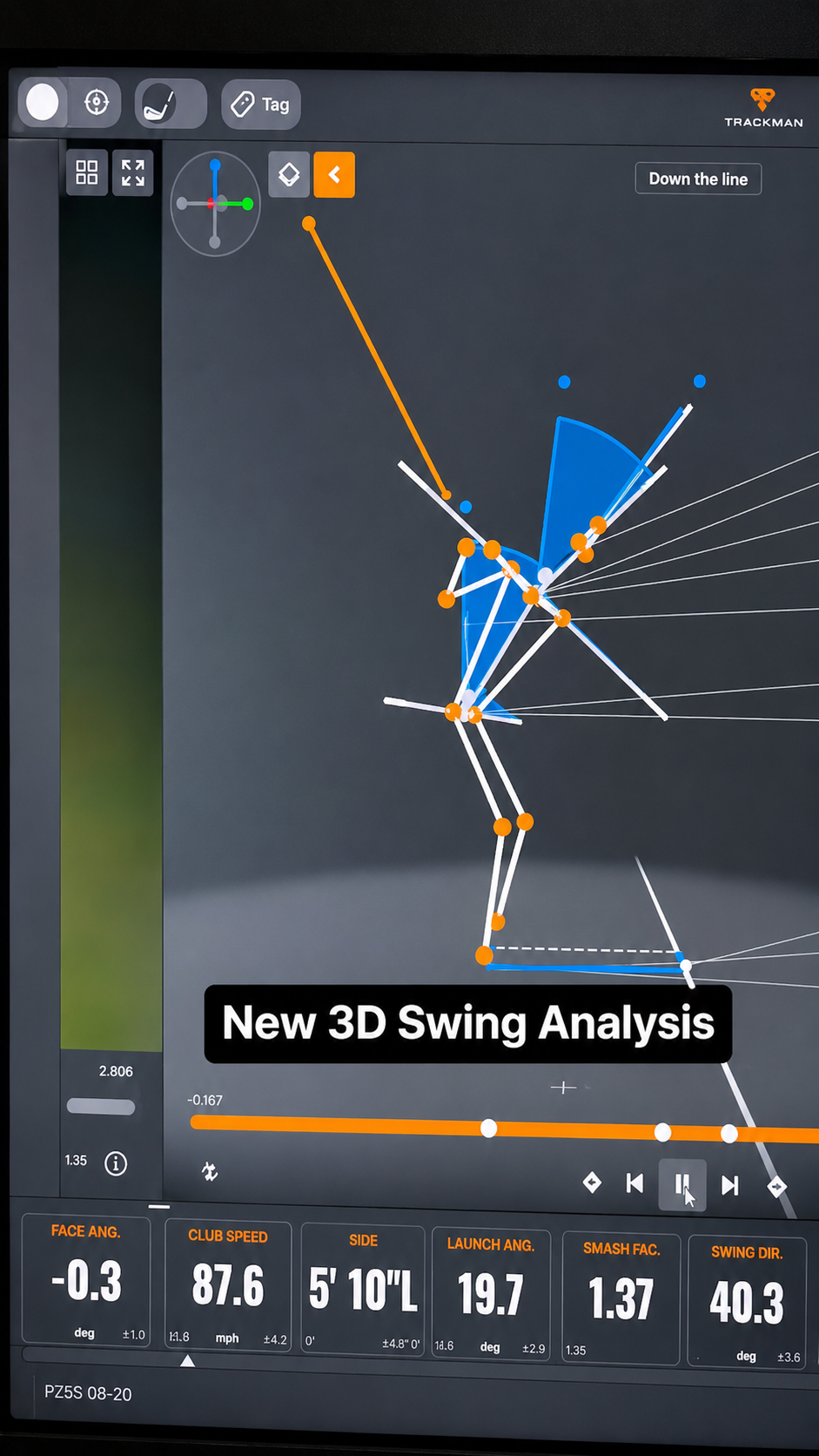
This is where professional coaching differs fundamentally from online tips. Good coaching starts with diagnosis, not prescription. Before any change is suggested, the coach needs to understand what the club is actually doing through impact and why the ball is behaving the way it is. That requires objective feedback. Launch monitor data, high-speed video, and clear visual evidence remove guesswork from the process.
At My Golf Matters, we see many golfers who are convinced they know what their problem is. In reality, the data often tells a very different story. A golfer who thinks they swing too steep may actually be shallow with poor face control. Someone trying to stop slicing may already have a neutral path but an open clubface caused by wrist conditions or impact dynamics. Once the real cause is identified, the solution becomes simpler, not more complicated.
This doesn’t mean YouTube has no place in golf improvement. It can be a great source of education and inspiration. It can help golfers understand concepts, language, and possibilities. The danger lies in treating generic advice as personalised coaching. Without knowing your own numbers, your own tendencies, and your own impact conditions, you’re effectively making changes blind.
The fastest improvements in golf come when the right change is made for the right reason. That only happens when the swing is assessed properly, with the right tools, and with a clear plan. Guessing, even when the advice is good, often leads to chasing problems that weren’t there to begin with.
If you’re serious about improving and tired of searching for fixes, the answer isn’t another video. It’s clarity. When you know exactly what needs to change and why, improvement becomes far more predictable and far less frustrating. That’s how golfers stop compounding errors and start building a swing they can trust.


The article is written with great care and attention to detail. Each section adds relevant information without being repetitive. I found this text particularly useful for a project I am working on. This article represents a good introduction to the topic covered.